 Tiffin
Every Child Fed.
Every District Tracked.
Every Rupee
Accounted.
India's largest school nutrition programme — operational across 36 states and union territories, feeding children in tribal blocks, urban slums, and remote mountain schools before the lunch bell rings.
From Tribal Blocks to
Municipal Wards
The programme's ground coverage is verified quarterly through satellite cross-referencing and DISE enrollment data. Every school, every district — no gaps in the ledger.
"No enrolled child shall be denied a hot, nutritious meal on any school day, regardless of geography, season, or administrative boundary."
9 AM. Steam Rising.
Vans Already Loaded.
Every kitchen in the network is inspected, licensed, and GPS-mapped. From industrial centralised facilities to on-premise school kitchens — operational evidence, not assurances.
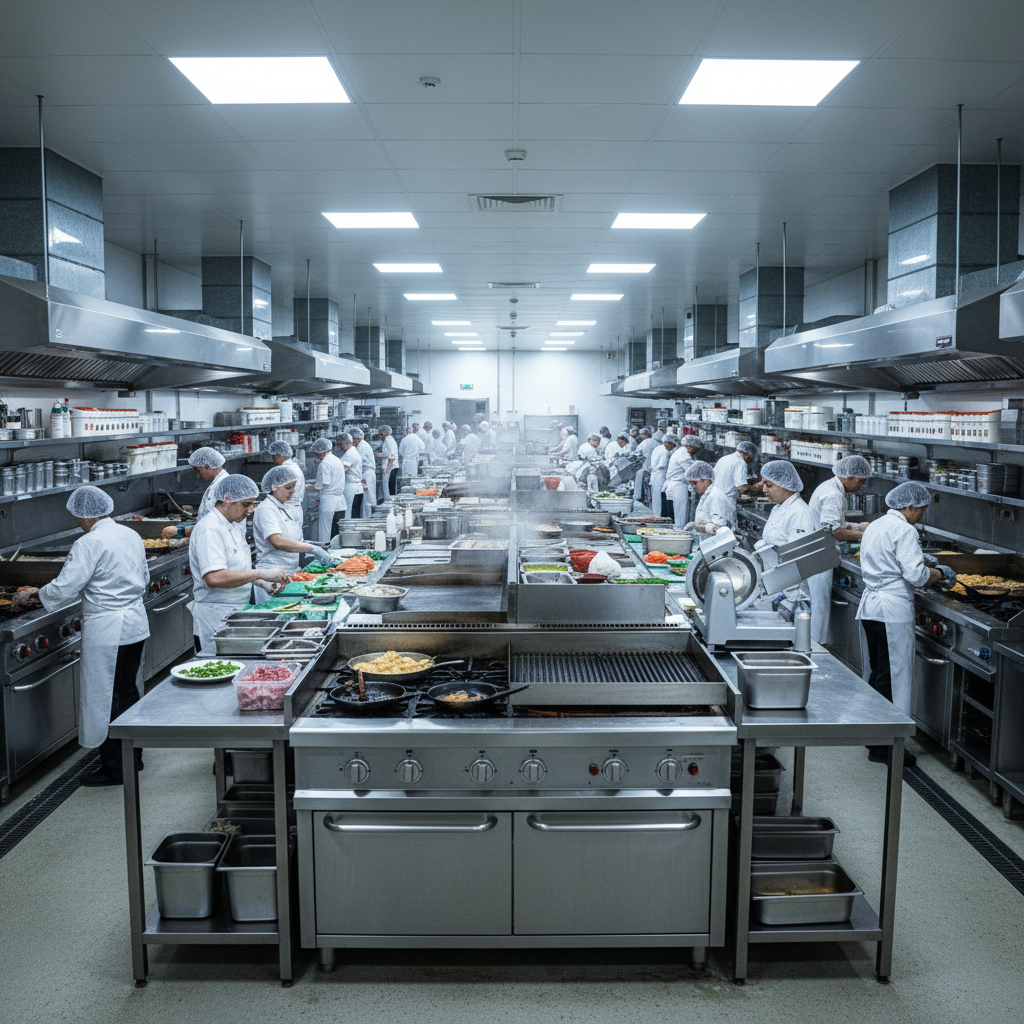
Centralised Kitchen
2,840Operated by SHG federations, NGO partners, and municipal bodies. Equipped with industrial vats, steam ovens, and HACCP-certified food handling lines.
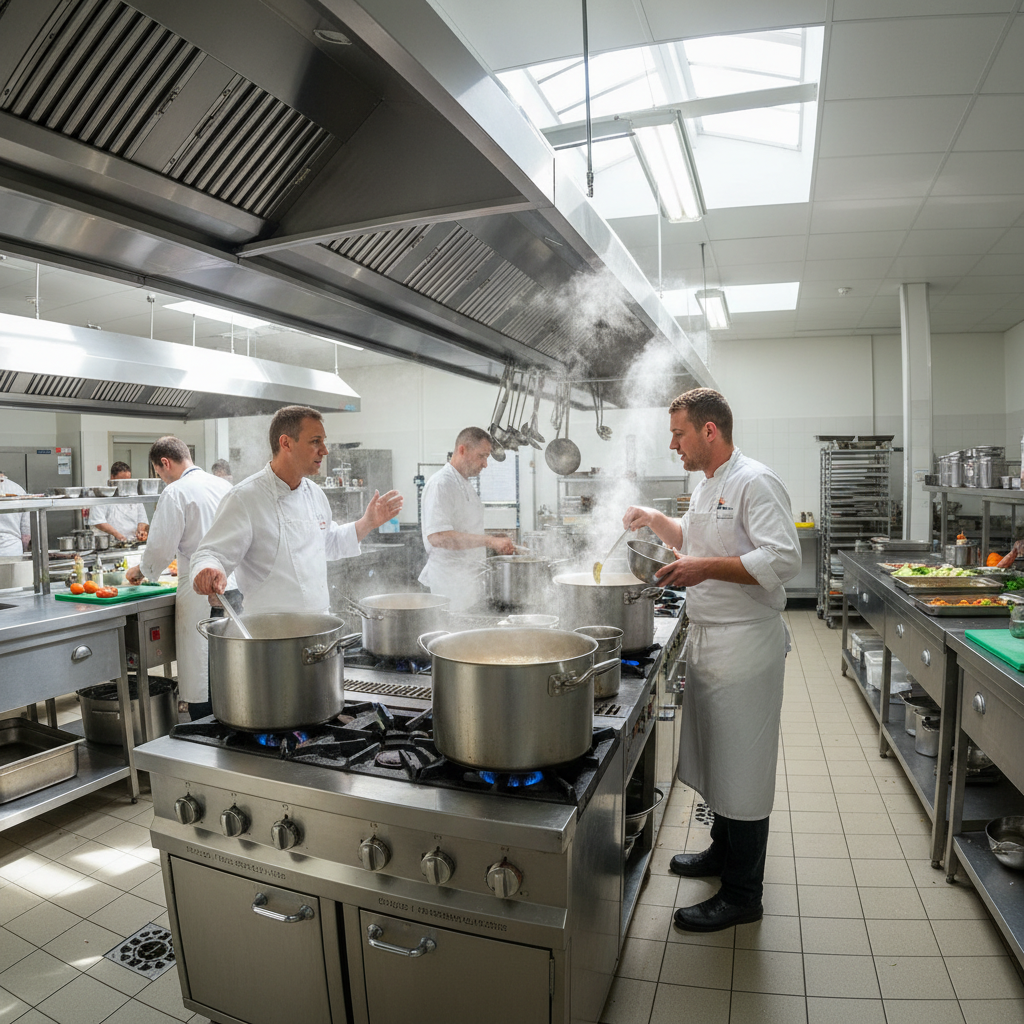
School Kitchen
4,568On-premise kitchens in schools with adequate infrastructure. Managed by cook-cum-helpers under Block Education Officer supervision.

Mobile Kitchen Unit
420Deployed in tribal blocks, flood-affected areas, and newly added rural habitations. Enables coverage where permanent infrastructure is absent.
"Every kitchen shall be licensed, inspected, and capable of delivering a hot meal to every enrolled child within a 10-kilometre radius by 10:30 AM."
Hot Dal, Fortified Rice,
Seasonal Sabzi.
Every menu cycle is benchmarked against FSSAI's School Nutrition Guidelines and ICMR's Recommended Dietary Allowances. Fortification of staples is mandatory across all kitchens.
"Each meal shall provide not less than one-third of a child's daily nutritional requirement, with mandatory fortification of rice, wheat flour, and edible oil."
Sanction to Utilization.
Every Rupee Traced.
A five-tier fund disbursement architecture with mandatory utilization certificates, CAG annual audit, and gram-panchayat-level social audits. Fiscal transparency is not optional — it is structural.
Ministry of Education releases central share (60%) to State Consolidated Fund based on approved Annual Work Plan.
State government releases matching share (40%) and transfers combined corpus to District Education Fund.
District Collector allocates funds to Block Education Officers based on school enrollment and kitchen type.
BEO releases monthly tranches to kitchen operators (NGOs, SHGs, municipal bodies) against utilization certificates.
Comptroller and Auditor General conducts annual audit of all fund flows. Social audit mandated at gram panchayat level.
Ministry of Education releases central share (60%) to State Consolidated Fund based on approved Annual Work Plan.
State government releases matching share (40%) and transfers combined corpus to District Education Fund.
District Collector allocates funds to Block Education Officers based on school enrollment and kitchen type.
BEO releases monthly tranches to kitchen operators (NGOs, SHGs, municipal bodies) against utilization certificates.
Comptroller and Auditor General conducts annual audit of all fund flows. Social audit mandated at gram panchayat level.
"No rupee shall move without a utilization certificate. No certificate shall be accepted without physical verification. The child's meal is the audit's final receipt."
The Data
Is the Emotion.
No stock photography. No aspirational copy. The programme's impact is measured, published, and independently verified. These are the numbers that matter.
"The PFMS integration has transformed our fund tracking. We can verify utilization at block level in real time — no more reconciliation backlogs at year-end."
"Partnering with Tiffin allowed our SHG federation to scale from 12 to 84 kitchens in three years. The operational support and compliance framework are airtight."
"As a district collector reviewing coverage gaps, the district-level MIS dashboard has replaced three separate reporting systems. The data is auditable and current."
Request Programme Partnership Kit
For state bodies, NGOs, CSR wings, and kitchen suppliers seeking to participate in the national mid-day meal network.
Download Annual Progress Report
FY 2024–25 · 148 pages · NITI Aayog validated